Compare Local Contractors for Foam Jacking Projects
Compare local contractors for foam jacking to define project scope, verify experience, and set clear expectations before hiring.
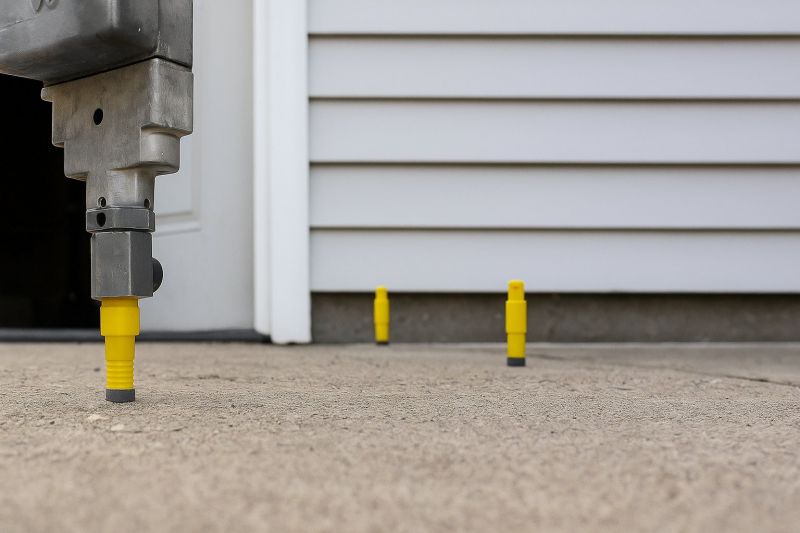
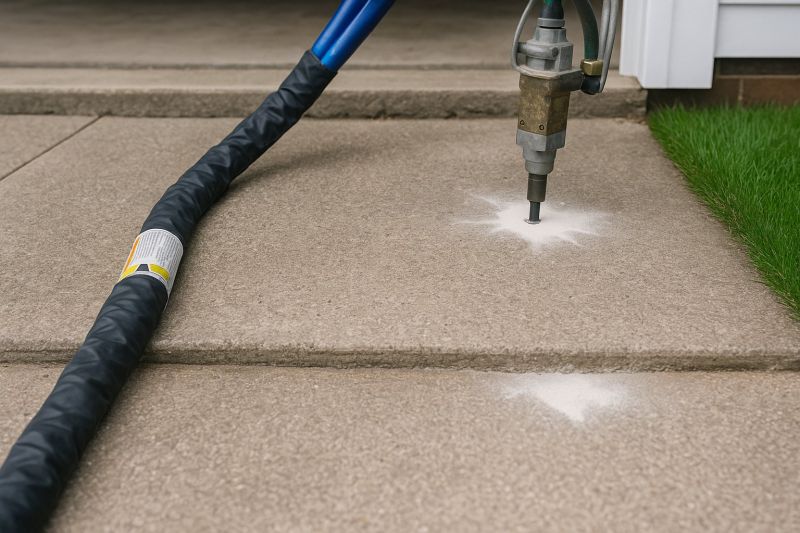
Foam jacking is a specialized process used to lift and stabilize sunken or uneven concrete slabs, such as driveways, sidewalks, or garage floors. This work typically involves injecting a foam material beneath the affected area to raise the surface to its proper level, helping to restore safety and functionality. The scope of foam jacking can vary depending on the size and extent of the settlement, with some projects requiring only spot repairs and others involving larger sections or multiple slabs. Understanding what the work covers can help property owners communicate their needs clearly and ensure the chosen service providers are equipped to handle the specific requirements of the job.
Defining the scope of foam jacking work is essential for setting clear expectations and avoiding misunderstandings. When engaging with local contractors, it’s important to specify the areas that need lifting, the extent of the settlement, and any additional repairs or preparations that might be necessary. A detailed scope helps ensure that contractors provide accurate assessments and appropriate solutions, reducing the risk of surprises or incomplete work. Property owners should ask potential service providers about their experience with similar projects, the methods they use, and what the process will involve, all documented in writing to create a transparent agreement.
Comparing local contractors for foam jacking involves evaluating their experience, reputation, and the services they offer. Property owners can benefit from seeking out service providers with a proven track record in handling projects similar to theirs, as well as checking references or reviews when available. It’s also helpful to consider how each contractor approaches scope definition, communication, and project planning. Asking detailed questions about their process and requesting written estimates or proposals can aid in making an informed decision. By thoroughly comparing these aspects, property owners can find experienced contractors capable of delivering quality results that meet their specific needs.
Compare local contractors by outlining project priorities, verifying experience, and clearly defining scope and expectations in writing.
- Compare Service Providers - review local contractors to find those with relevant experience in foam jacking.
- Define Project Scope - clearly outline the work needed to ensure all parties understand the requirements.
- Verify Experience - check contractor backgrounds to confirm familiarity with foam jacking procedures.
- Set Expectations in Writing - document the scope and details of the work to prevent misunderstandings.
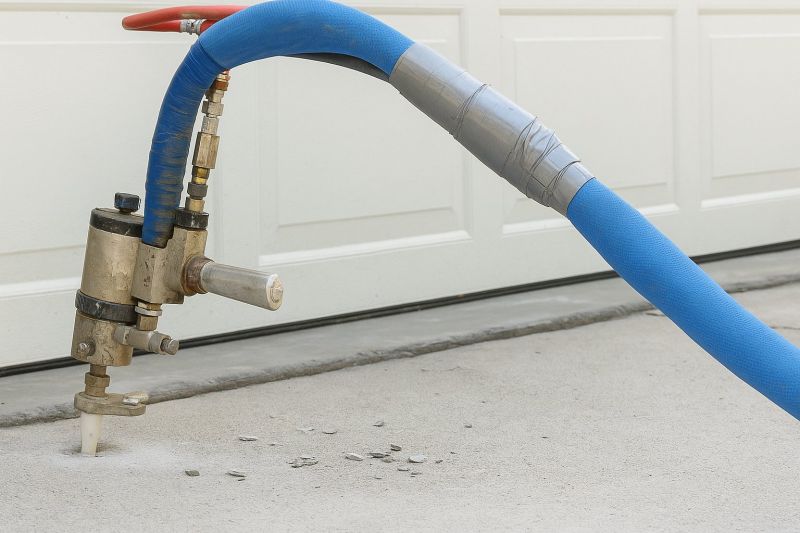
Clearly describe your foam jacking project to help local contractors compare options and set accurate expectations.
- Verify experience in foam jacking projects to ensure contractors are knowledgeable about the process. - Look for service providers who clearly define the scope of work and specify the materials and methods they use.
- Compare multiple local contractors to assess their expertise and approach to foam jacking jobs. - Ensure the scope of work is detailed in writing to set clear expectations.
- Check references or reviews to gauge the quality of past foam jacking projects handled by the service providers. - Confirm that contractors have a thorough understanding of foundation or slab stabilization techniques.
- Ensure that the scope of work includes site assessment, material specifications, and project completion criteria. - Look for service providers who can explain their process and what to expect during and after the job.
- Discuss warranty or guarantee policies to understand the service provider’s commitment to quality and follow-up support. - Make sure all project details and responsibilities are documented in a written agreement.
Use foam jacking to clarify project scope, verify contractor experience, and set clear expectations in writing.
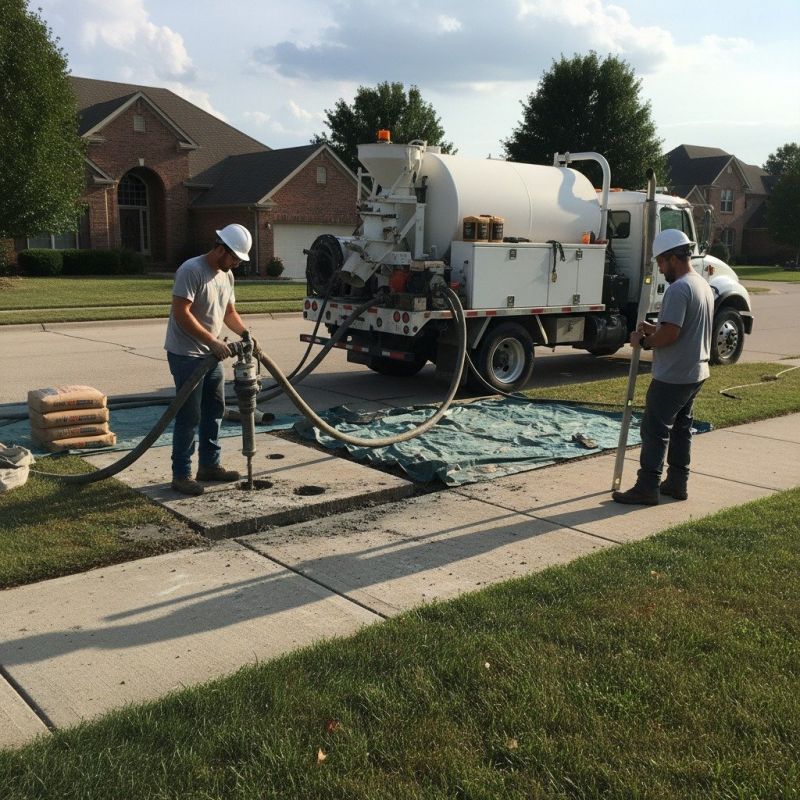
Comparing local contractors for foam jacking involves assessing scope, verifying experience, and documenting expectations consistently.
- Scope Definition - Clearly specify the extent of foam jacking work needed, including affected areas and desired outcomes.
- Experience Verification - Confirm that local contractors have relevant experience with foam jacking projects of similar scope.
- Material Specifications - Define the types of foam and materials to be used, ensuring compatibility with the project requirements.
- Work Procedures - Outline the methods and processes that contractors will follow during foam jacking to meet project expectations.
- Written Agreement - Ensure all scope details, responsibilities, and expectations are documented in a formal agreement before work begins.
When comparing contractors for foam jacking, it is important to evaluate their experience with similar projects. Homeowners should inquire about the types of foundation issues they have addressed and request details on past work involving foam jacking in comparable settings. A contractor’s familiarity with the specific challenges of different soil conditions, foundation types, and slab sizes can provide insight into their ability to deliver effective results. Choosing service providers with a proven track record in projects like yours can help ensure that the work is handled with the appropriate expertise and understanding of common pitfalls.
A clear, written scope of work is essential when assessing potential contractors. This document should outline the specific tasks to be performed, including the areas to be stabilized, the methods used, and any preparatory or follow-up steps. A well-defined scope helps prevent misunderstandings and ensures that both parties have aligned expectations. Homeowners are encouraged to request detailed descriptions of the proposed work and to confirm that the scope covers all aspects necessary for a successful foam jacking project, from site preparation to post-injection inspections.
Verification basics involve understanding how contractors plan to assess the site before beginning work. This can include evaluating the extent of the sinking, identifying underlying causes, and determining the appropriate foam injection points. Service providers should be transparent about their process for inspecting the foundation, gathering measurements, and verifying the stability of the slab after the foam has been injected. Homeowners should seek service providers who are thorough in their verification procedures to help ensure the longevity and effectiveness of the repair.
When evaluating options among local contractors, it is helpful to consider their communication and documentation practices. Clear written proposals, detailed scope of work, and comprehensive explanations of their approach can make a significant difference in understanding what to expect. Homeowners should ask how each contractor plans to verify the success of the foam jacking and what steps they take to confirm the foundation’s stability. Comparing these aspects can assist in selecting service providers who prioritize transparency and thoroughness, ultimately leading to a more informed decision for foundation stabilization projects.
Request written scope and expectations from local contractors to ensure clarity and consistency throughout the project.
- Experience with Foam Jacking - What specific experience do local contractors have with foam jacking projects?
- Scope of Work - How do local service providers define the scope and details of foam jacking services?
- Materials and Methods - What materials and techniques do contractors plan to use for foam jacking?
- Project Expectations - How do local contractors clarify what is included and excluded in their foam jacking services?
- References and Past Work - Can local service providers provide references or examples of previous foam jacking projects?
How can I compare foam jacking contractors effectively? To compare contractors, review their experience, verify references or reviews, and ensure they clearly define the scope of work in writing to understand what services are included.
What should I consider when defining the scope of foam jacking services? Clarify the areas to be lifted, the extent of soil stabilization needed, and any specific requirements for the project to ensure the contractor’s proposal covers all necessary work.
How do I verify the experience of a foam jacking contractor? Ask for details about their past projects, request references, and check if they have a history of handling similar foam jacking or underpinning jobs to gauge their expertise.
Why is it important to get the scope of work in writing? Having a detailed, written scope helps set clear expectations, prevents misunderstandings, and provides a reference for the work to be performed and any agreed-upon responsibilities.
What questions should I ask a contractor before hiring for foam jacking? Inquire about their experience, methods used, materials, and how they plan to address your specific foundation issues to ensure they understand your project needs.
How can I ensure the contractor understands my project requirements? Clearly communicate your concerns and expectations, and request that they provide a detailed written proposal outlining the scope, methods, and any necessary preparations for the work.
This page has provided an overview of what to consider when choosing contractors for foam jacking services. Visitors learned the importance of clearly defining the scope of work, verifying the experience of local service providers, and setting expectations in writing to ensure a smooth project process. Comparing multiple local contractors can help identify options that align with specific needs and preferences, making it easier to find the right fit for the job.
Using the provided quote form allows for straightforward comparison of local contractors, helping to gather information and evaluate options side by side. Taking the time to assess each service provider’s capabilities and experience can facilitate informed decisions and foster confidence in selecting a contractor suited to the project’s requirements.